(Image source from: Unsplash)
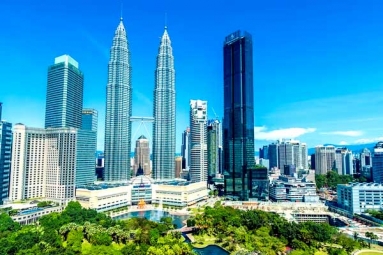
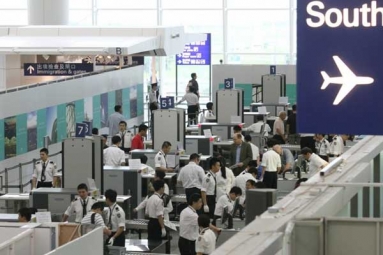
Travellers arriving in Malaysia might soon notice quicker immigration processing, as the nation intends to implement its new National Integrated Immigration System (MyNIISe) at all entry locations starting September 2026. With this updated system, immigration checks are projected to take just four to five seconds per individual. This change aims to simplify immigration processes and lessen crowding at airports, particularly during busy travel times. Saifuddin Nasution Ismail, the Minister of Home Affairs, commended the new immigration system, stating that the time taken at Kuala Lumpur International Airport (KLIA) is now under five seconds at the autogate. He mentioned on X that, "The roll-out of the MyNIISe integrated digital system along with autogates at KLIA is a significant advancement by KDN in improving national border management. "
The system employs facial recognition, QR codes, and passport validation to make immigration checks faster while ensuring safety. Ismail called the improvement a "game changer. " "This is more than just an upgrade. It's a game changer for how people enter and exit the country," he added. MyNIISe is set to take the place of the old MyIMMs system, which has been in use for nearly two decades at Malaysian airports. The new system has been developed at a reported cost of about MYR 1 billion (approximately USD 255 million). In the previous MyIMMs system, travellers had to scan their passports at immigration counters or autogates first. Then, biometric checks using thumbprints and facial scans were done to verify the traveler's identity. The MyNIISe system integrates various technologies into a single digital process. Now, travellers can clear immigration through facial recognition, QR codes, and passport checks.
Instead of mainly using passport scans and fingerprint recognition, the system rapidly matches a traveller’s face and their travel information with the immigration records held digitally. At Kuala Lumpur International Airport, new lanes have been set up for customs inspections. "Nothing to Declare" lanes are intended for travellers without taxable items, while "Goods to Declare" lanes are designated for passengers who need to inform customs officials about their belongings. In addition to the digital improvements, the Malaysian government is also boosting staff numbers through the Malaysia Border Guard initiative. An increase in personnel at key entry points is anticipated to enhance monitoring, crowd handling, and security efforts.