(Image source from: Bloomberg.com)
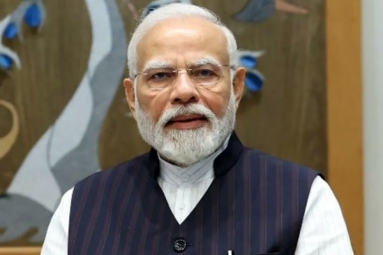
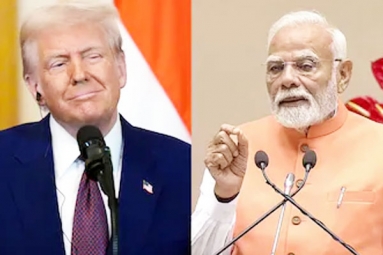
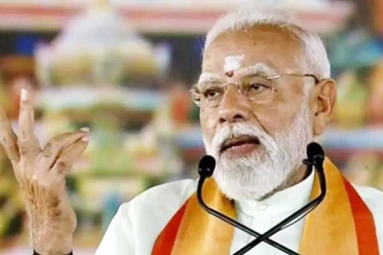
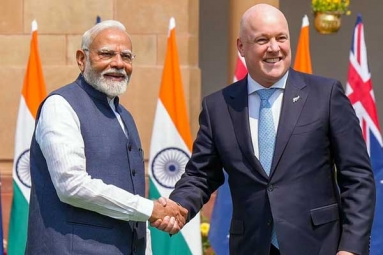
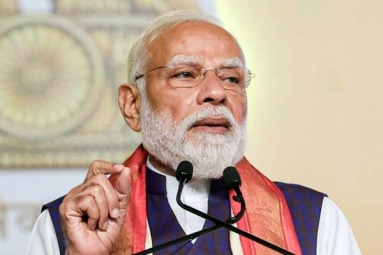
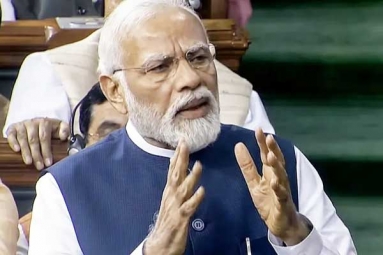
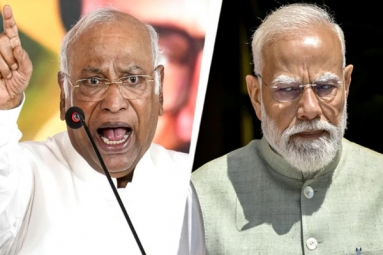
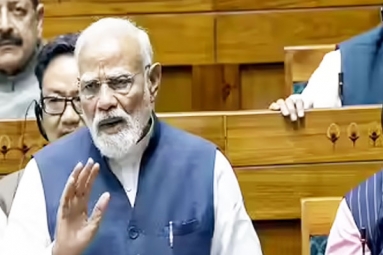
Prime Minister Narendra Modi has recently asked people to refrain from purchasing gold for a year, delay international travel, and keep working from home when possible. This has led to a countrywide debate about economic focus during a worldwide crisis. His request comes as the ongoing war in Iran has caused a significant increase in oil prices, weakened the rupee, and added strain to India’s foreign currency reserves. Essentially, the government aims to limit unnecessary dollar spending and safeguard foreign currency for essential imports like crude oil and basic goods. Currently, India’s foreign exchange reserves are around $690.69 billion, based on data from Trading Economics. Reserves had reached approximately $728 billion in February but dropped in April due to growing global uncertainty and fluctuations in energy markets. Meanwhile, the International Monetary Fund (IMF) predicts that India’s current account deficit could increase to $84.5 billion by 2026, which is nearly 2 percent of the GDP. A larger deficit suggests that the nation is spending much more on imports than it is making from exports and investments.
Purchasing gold represents a major portion of India's import expenses. Last year, the country imported about $72 billion worth of gold, reflecting a steep 24 percent rise from the previous fiscal year. India is the second-largest consumer of gold globally, and almost all of it is bought with US dollars. The overall import situation highlights the strain even more. India's total import expenditures in the last fiscal year were approximately $775 billion. Four main commodities made up over $240 billion of that total. Imports of crude oil alone cost $134.7 billion, with gold following at $72 billion, vegetable oils at $19.5 billion, and fertilizers at $14.5 billion. These categories combined accounted for over 31 percent of India’s total imports, with gold representing nearly 10 percent of the entire bill. Economists feel that a significant drop in gold demand could greatly relieve the pressure on India’s foreign currency reserves. Estimates indicate that if gold imports decrease by 30-40 percent in a year, India could save about $20-25 billion in dollar expenditures. A 50 percent drop might save around $36 billion, which is almost half of the anticipated current account deficit.
The conflict in Iran has raised worries due to interruptions near the Strait of Hormuz, a key route for global oil transportation. The price of crude oil has already climbed over $100 for each barrel, which has sparked fears of ongoing inflation and a slowdown in economic progress. India relies on imports for about 88 percent of its oil needs, making the country very sensitive to increases in global oil prices. At the same time, during times of global political tension, investors usually turn to gold as it is seen as a secure asset. As uncertainty grows worldwide, the price of gold tends to rise, and imports often go up as well. This results in a tough situation for India: more expensive oil imports and an increase in gold purchases, which both boost the demand for dollars and weaken the rupee. However, a decrease in gold buying could help relieve pressure in the currency market by reducing dollar needs and easing the strain on the RBI's reserves.
Market analysts are advising investors to move away from buying physical gold and instead consider financial options that do not strain imports. Abhishek Bhilwaria, a mutual fund distributor registered with AMFI, suggests investment choices like SIPs and Gold ETFs instead of buying jewellery or gold bars. These options enable people to take advantage of changes in gold prices while keeping their money within the local financial system, according to a report. Meanwhile, Gaurav Garg from Lemonn Markets Desk noted that gold prices have recently dropped even as crude oil prices increased. He mentioned that worries about inflation and expectations around interest rates have limited gold's rise, despite the ongoing geopolitical issues, the report stated. Furthermore, comments made by PM Modi have sparked conversations across various industries related to spending habits.