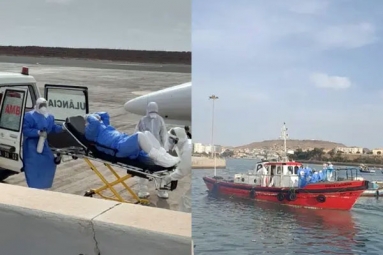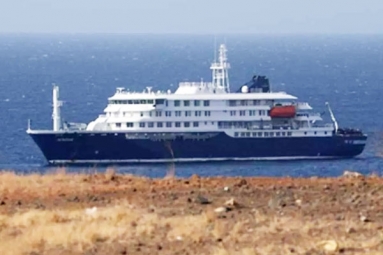
(Image source from: Canva.com)
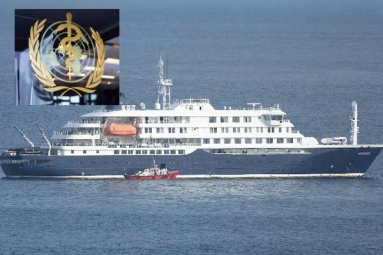
In their latest announcements, both the World Health Organization (WHO) and South African health officials have verified that the type of hantavirus linked to the outbreak on the cruise ship MV Hondius is the Andes variety. For those who might not know, hantavirus is not considered an "easily spread" virus like seasonal flu or other common breathing illnesses. It primarily comes from rodents and usually transfers to humans through direct interaction. Transmission from one person to another is extremely uncommon, which places the recent news about the hantavirus outbreak on the Atlantic cruise ship in a unique, albeit somewhat concerning, medical category. "The initial tests confirm that this is indeed the Andes strain," said South Africa's health minister Aaron Motsoaledi during a parliamentary meeting yesterday. "And it just so happens to be the only type out of the 38 that is known to spread between people. However, we want to emphasize again that such transmission is very rare and only occurs with very close contact. " Unlike germs that spread quickly through casual socializing, hantavirus generally needs particular environmental conditions to move between species. While researchers have found many hantavirus strains worldwide, only one specific type has shown the ability to transmit from person to person. This difference is key to the ongoing health investigations, highlighting that the specific type often determines the level of risk to the public.
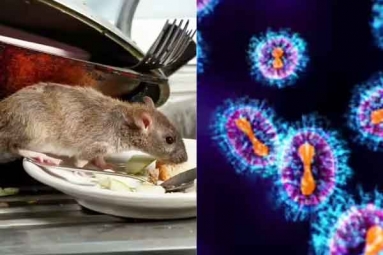
Hantavirus is part of the Bunyaviridae family, which consists of viruses that are spread by rodents. Unlike diseases transmitted by insects or farm animals, hantaviruses have a unique relationship with certain types of mice, rats, and voles. These rodents serve as "carriers," meaning they hold the virus without showing any signs of illness, releasing the germ through their saliva, urine, and waste. The virus became widely known in 1993 due to an outbreak in the southwestern part of the United States, but different types have been recorded in Europe and Asia for many years. As a virus that comes from rodents, it generally lives in rural areas or wild places where humans come into contact with rodent habitats. Though the virus is dangerous once it gets into a human body, it is weak outside of a host; it doesn’t last long when exposed to sunlight or regular disinfectants. Virologists have identified about 38 types of hantavirus that are considered separate species. These viral types are spread out according to the environments of their specific rodent hosts.
America: This region is known for its "New World" hantaviruses, like the Sin Nombre virus, which mainly affect the lungs.
Europe and Asia: These continents are home to "Old World" hantaviruses, such as the Puumala and Hantaan viruses, which typically impact kidney function.
Most of the 38 known strains are specialized. They are closely matched to the biology of one specific rodent type and seldom infect humans. Even when humans do get infected, most strains hit a "biological dead end," which means that the infected person cannot pass the virus to someone else. The outbreak in the Atlantic has gained a lot of worldwide attention because it involves the Andes virus. Out of all the identified hantaviruses, the Andes strain from South America is the one confirmed to transmit between people. This unusual transmission usually requires long, close contact, like that found in homes or among people in tight quarters on a boat. It does not have the high "R-naught" value seen in viruses such as measles, so it cannot linger in public spaces for long. The scientific view of this situation shows that, although the Andes strain is distinctive, its ability to spread is much lower than typical everyday infections.
For most people, the main danger comes from the environment, not from interacting with others. Hantavirus mostly spreads through the air. When old rodent droppings are stirred up during cleaning tasks in places like an old shed or attic, tiny viral particles are released into the air.
Inhaling: People can breathe in these infected particles in the air.
Confined Areas: The risk is higher in areas that are poorly ventilated because virus levels can build up.
Direct Touch: Touching surfaces that are contaminated and then touching the face is another, though rarer, way to get infected. On cruise ships, the primary concern is often norovirus, which spreads through shared surfaces and physical contact. Hantavirus is seen as an "unusual threat" in a maritime environment because modern ships have strict pest control measures and building standards.
Health officials think that in the Atlantic situation, the virus didn't come from rodents on the ship. Rather, the evidence indicates that the first passengers encountered the Andes strain while they were on land in South America before getting on the ship. The "outbreak" happened because the Andes strain used its special ability to spread from person to person in the social atmosphere of the ship. Although there has been media attention, the overall danger to the cruise industry is viewed as low, since this particular strain and a ship environment are historically uncommon. Spotting hantavirus symptoms early on is tough because the beginning phase resembles many regular viral sicknesses.
Early Phase: High fever, headaches, and severe muscle pain, especially in the thighs, hips, and back.
The Transition: After approximately 4 to 10 days, the "pulmonary phase" might start, which includes a dry cough and sudden, serious breathlessness as fluid gathers in the lungs.
Medical Care: Because there is no specific antiviral treatment, quick hospitalization for supportive help, like oxygen therapy, is crucial for getting better.
The World Health Organization (WHO) and the CDC have kept a watchful but calm approach. Right now, they are concentrating on tracking contacts and checking the health of people who were near the confirmed cases. The official stance is that this is a controlled event involving a particular viral type. Health officials stress that fear is not helpful; they're focused on making sure the Andes strain doesn't spread to new areas, which they believe is doable given the virus's limited spread. The key point from the Atlantic cruise incident is the significance of assessing risks based on specific strains. While "hantavirus" carries a lot of seriousness, most of its strains stay in the wild. This event reminds us that most hantaviruses do not and cannot spread among people through social interactions. By staying informed about how viruses spread and focusing on cleanliness instead of panic, the global community can handle these health updates with understanding. This situation does not signify a new pandemic but is simply a rare biological encounter that modern science can effectively manage.