(Image source from: Canva.com)
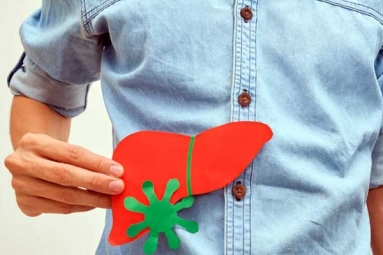
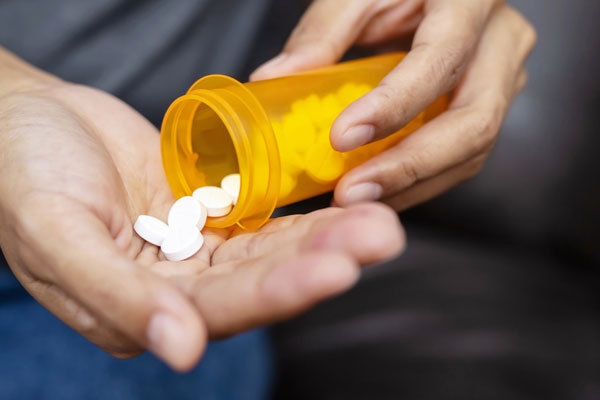
Taking a painkiller for headaches, back pain, or fevers may seem harmless. These medications are common and easy to find. However, if you frequently use them, it might be good to consider if your liver is suffering quietly. The answer isn't straightforward. A research paper in the journal Therapeutic Advances in Gastroenterology points out that Drug-Induced Liver Injury (DILI) is one of the leading reasons for sudden liver failure. Although daily painkillers are widely used, their buildup can impact liver enzymes silently until major harm happens. The level of risk largely depends on the kind of painkiller taken, the amount used, and how often it is used. Your liver has a crucial function in breaking down drugs and removing them from your system. However, when certain medications are used too often or in large amounts, this system can become overloaded. This may result in drug-induced liver injury, which can vary from mild enzyme changes to serious liver failure. In fact, over a thousand drugs, including many common over-the-counter ones, have been linked to liver damage.
Paracetamol: Paracetamol is one of the most frequently used pain relievers and is usually safe when taken as instructed. However, it does carry some hidden dangers.
Taking too much paracetamol is the leading cause of sudden liver failure.
Even a small amount over the recommended limit can be harmful.
Many people mistakenly take more than needed since it is found in various medicines.
The risk increases if you:
Mix different medications containing paracetamol.
Drink alcohol regularly.
Have pre-existing liver conditions.
Pain relievers like Ibuprofen are part of a group known as NSAIDs and are less likely to hurt the liver compared to paracetamol. However, they are not without risks. Unlike acetaminophen, where the damage depends on the dose, NSAID-related liver problems are often unpredictable and can happen to certain people because of their genetics or immune system. A study in The New England Journal of Medicine shows that among NSAIDs, Diclofenac is most strongly linked to higher liver enzyme levels. Using it daily for a long time necessitates regular liver function tests (LFTs).
The risk is greatest when pain relievers are:
Used in higher amounts than suggested
Taken every day for long times without a doctor’s guidance
Mixed with alcoholic drinks.
Used together with other drugs that impact the liver. Over time, this can stress the liver’s ability to handle medications, resulting in a buildup of harmful substances and injury.
Signs You Should Be Aware Of:
Liver harm can often happen without noticeable signs, but some symptoms might show up as it gets worse:
Feeling tired and weak
Feeling sick to your stomach or throwing up
Skin or eyes turning yellow (jaundice)
Urine that is dark in color
Pain in the belly.
If you see these symptoms, especially if you frequently use pain relievers, get medical help right away.
Who Needs to Be More Careful?
Certain individuals should take extra precautions:
Those with liver issues already
Regular drinkers of alcohol
Elderly individuals
Those taking many different medications.
For these individuals, even normal amounts might need to be changed.
How To Use Pain Relievers Safely?
The important thing is not to completely avoid pain relievers, but to use them wisely. Here are some tips:
Always stick to the dose suggested on the package
Avoid taking different drugs with the same ingredient together
Do not mix pain relievers with alcohol
Limit using them for a long time unless a doctor says it’s okay
Talk to a doctor if you require pain relief often.
Pain relievers can be both effective and safe when used correctly. However, daily or careless use can slowly harm your liver. Paracetamol must be taken seriously, as even small errors in dosing can lead to severe issues. NSAIDs like ibuprofen are generally safer for the liver but carry their own dangers. The bottom line is clear: treat pain relievers as proper medications, not as simple solutions. A bit of caution today can help guard your liver for the future.